

Lattice has become one of the most recognized performance management software platforms in the market. It offers a wide range of modules, from performance reviews and goals to engagement surveys and OKRs, which makes it a strong choice for large organizations with mature HR functions.
However, for many smaller or fast-growing teams, Lattice is starting to feel like yesterday’s tool: expensive, complex to set up, and heavier than what most managers actually need on a day-to-day basis.
As a result, HR leaders are increasingly asking the same question: What are the real Lattice alternatives, and which tools could replace it in the future? Many recent Lattice reviews reflect this shift, pointing out that what works for large enterprises often feels excessive for smaller teams.
Let’s examine why teams are looking beyond Lattice and which tools are poised to become its true successors.
Why teams are looking beyond Lattice
In many Lattice reviews, users highlight the same set of frustrations: high cost, complexity, and the feeling that the platform is simply too “heavy” for their needs.
High costs and scaling issues
Lattice’s pricing increases with every additional module and add-on.
As teams mature, talent management rarely stays confined to one area, and costs rise as soon as engagement, surveys, or onboarding features are added. Many startups end up assembling a fragmented pricing bundle that looks scalable on paper but feels expensive in practice, especially when only part of the platform is used consistently.
Complexity and steep learning curve
Beyond cost, Lattice requires a significant time investment. Implementation can take weeks, with multiple onboarding sessions and ongoing configuration.
Without a dedicated HR operations role, that workload typically falls on managers or founders who are already stretched thin. Instead of creating clarity, the tool can add layers of admin work that small teams aren’t equipped to handle.
💡 McKinsey research shows that fewer than 30% of organizational transformations succeed, and only 16% of digital transformations deliver lasting improvements. Complex tools with long onboarding cycles are especially vulnerable to this failure rate, making lighter Lattice alternatives far more practical for small teams.
Changing expectations: simplicity, flexibility, affordability
Perhaps the biggest shift is that HR teams no longer want “big and heavy” platforms. They want tools that are flexible, affordable, and adaptive to how teams actually work day to day.
The new generation of talent management tools is lighter and more modular, designed to deliver value quickly without lengthy onboarding or complex configuration. Instead of bundling dozens of features, these tools focus on essentials teams use every week, such as one-on-ones, feedback, and clear goal tracking.
This is where platforms like Lattice begin to feel misaligned. While powerful, they are built for breadth and scale first, which makes performance management software designed for small businesses a more natural Lattice alternative.
How HR priorities are shifting
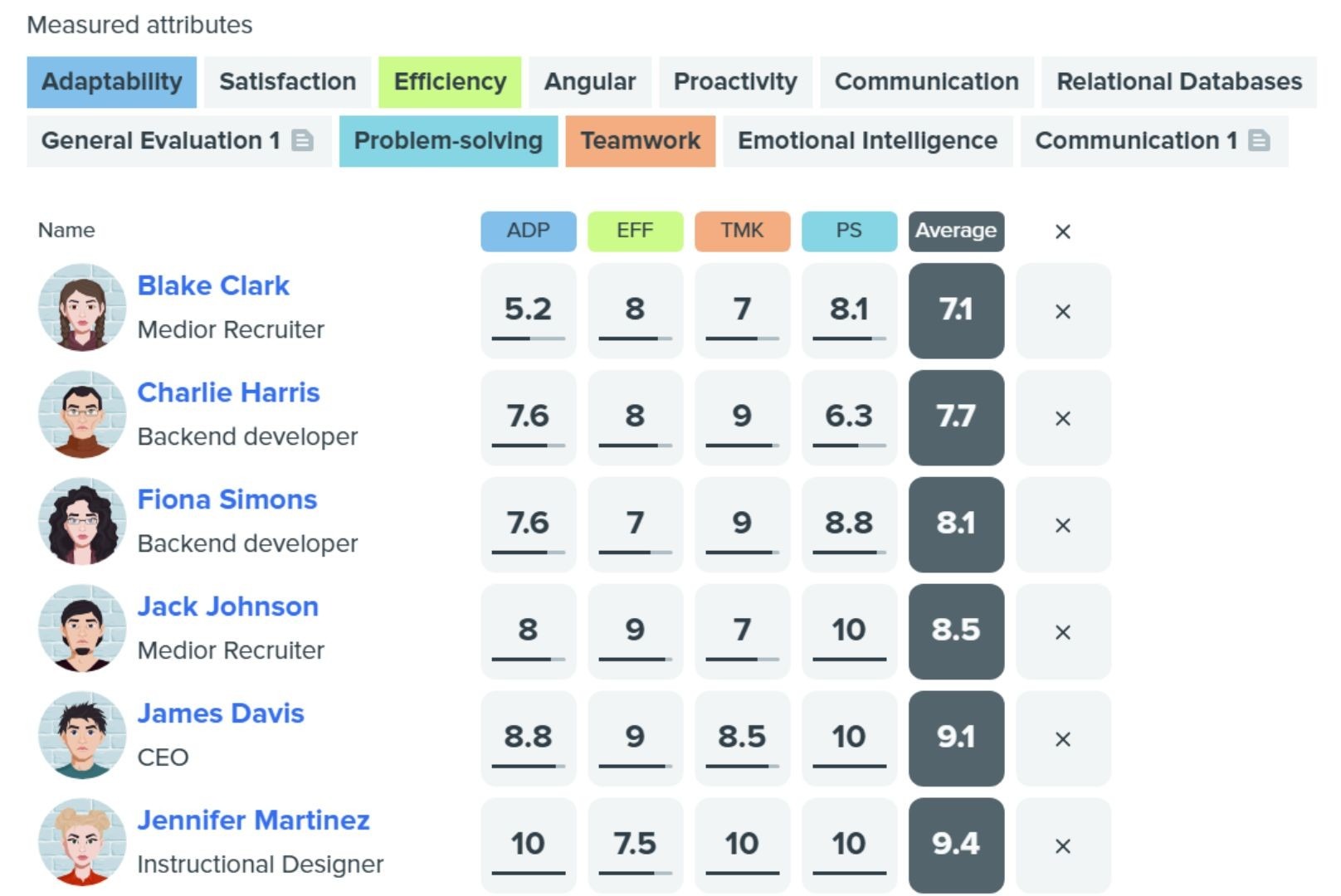
The way HR teams choose performance management software is evolving. What was once about covering the basics is now moving toward smarter, more adaptive systems.
Yesterday’s needs: basic structure and quick wins
Small and mid-sized companies initially prioritized simple tools for one-on-one meetings, feedback, goals, and reviews. Lightweight solutions that deliver value fast are still useful, but they no longer cover everything ambitious teams expect from their HR stack.
Tomorrow’s needs: smarter, scalable systems
Expectations are changing fast. Teams want the best HR software for small businesses that not only records data but also interprets it. Emerging tools focus on adaptive, modular systems that scale with the company, offer regional compliance, and utilize pricing models that adapt to team size.
In short, the future of HR tools is smart, flexible, and budget-aware, the opposite of the one-size-fits-all model.
Kadar fits here: free for small teams, affordable as you grow, and designed to evolve with the market, rather than locking you into outdated processes.
💡 According to Deloitte’s 2024 Global Human Capital Trends survey, 53% of organizations are still in the early stages of finding better ways to measure worker performance, while only 8% consider themselves leaders in this area.
Emerging Lattice alternatives
Alongside the big enterprise names, a new generation of lighter and more accessible performance management software is emerging. These solutions are built with today’s expectations in mind: flexibility, affordability, and ease of use. For teams exploring Lattice alternatives, here are the categories to watch.
AI-powered tools
AI-first platforms, such as Leena AI, are pushing the boundaries of what the best HR software for small businesses can do. They analyze feedback at scale, detect sentiment, and automatically generate performance insights. For larger companies, this means HR teams can focus on action instead of data crunching.
For smaller teams, however, these tools can feel experimental and may still require integration with other systems to cover the basics.
Lightweight HR platforms with broader scope
Tools like Leapsome in Europe or HiBob globally position themselves as lighter Lattice alternatives to enterprise suites. They focus on compliance, HR admin, and localized needs, which makes them attractive for companies that operate across multiple regions.
But for small or fast-growing teams, this breadth often becomes overkill. Payroll, compliance dashboards, and complex HR modules add weight that startups don’t need when their primary focus is on performance reviews, feedback, and career development.
What these tools streamline in one area, they complicate in another, leaving smaller organizations still searching for something simpler and more focused.
Open-source or budget-first tools
Platforms such as IceHrm or OrangeHRM appeal to startups that want maximum control at minimal cost. Being open-source or low-cost, they offer flexibility but require technical know-how to set up and maintain. They’re great for companies with in-house IT resources, but for most small teams, they introduce as many headaches as they solve.
Kadar
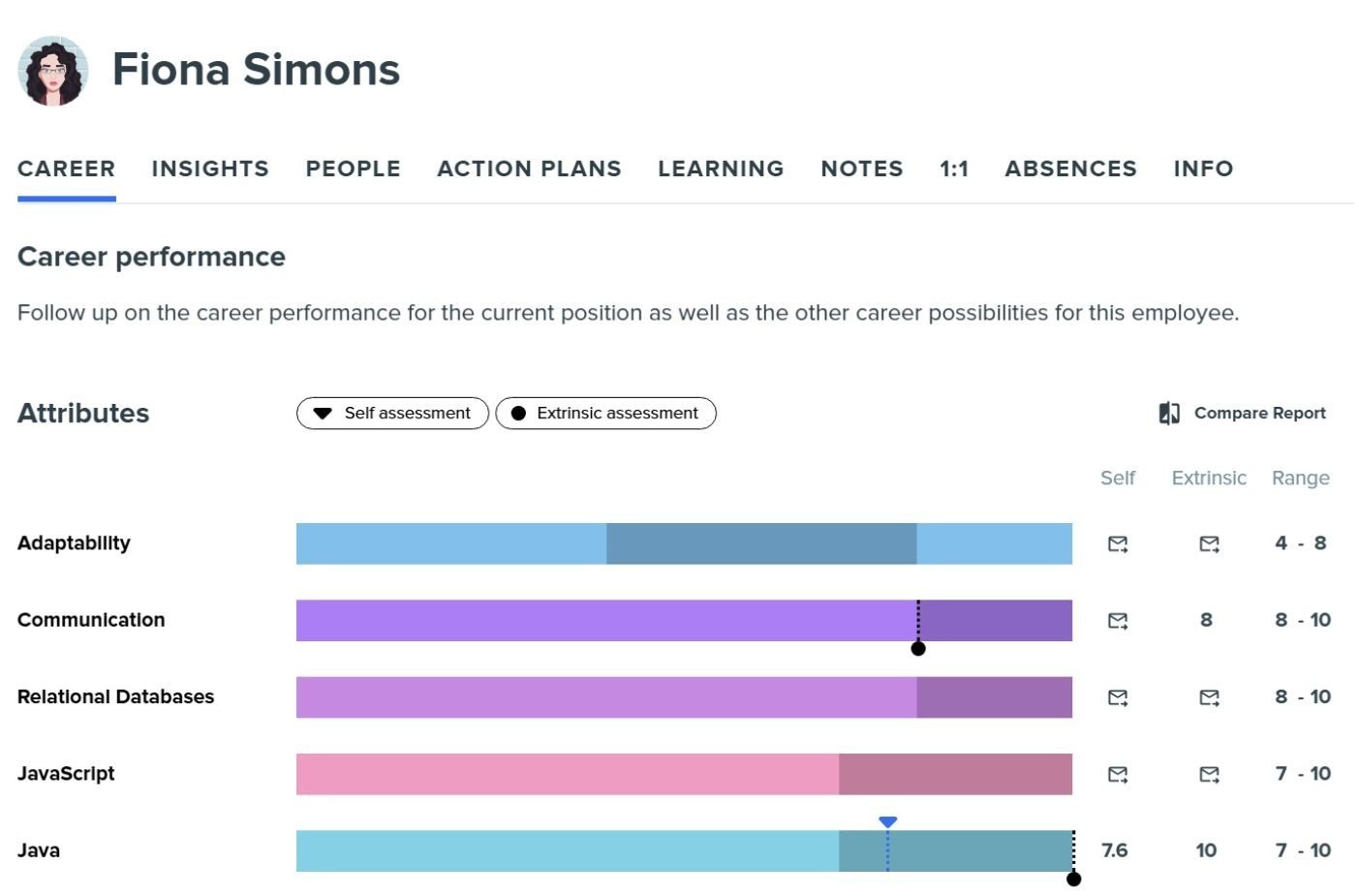
Unlike experimental AI platforms, regional solutions, or somewhat complex open-source systems, Kadar was designed to grow with your team. It’s free to start with, affordable as you grow, and focused on the essentials of talent development, structured one-on-ones, 360 feedback, goals, and reviews.
What makes it stand out is that support doesn’t stop after setup: our team stays with you to adapt processes, so the system grows alongside your company. Lightweight, contextual, and built for the future, Kadar reflects exactly what the next generation of best HR software for small businesses should look like.
How to choose the best HR software for small businesses
For small teams, the real question isn’t which talent management tool has the longest feature list but whether the tool actually removes friction from your day-to-day work. Before you commit, here are the positive signs to look for:
- Setup in days, not weeks. A good platform should enable you to run your first cycle quickly, without needing a full-time HR operations person. Managers and founders stay focused on people, not on becoming administrators.
- Pay only for what you use. The right tool scales fairly. If your focus is on one-on-ones, feedback, and performance reviews, you shouldn’t be paying for enterprise modules you’ll never touch.
- Support that continues after onboarding. Real partners don’t disappear once setup is done. Ongoing guidance ensures your processes evolve smoothly as your company grows.
The best Lattice alternative is the one that feels light enough to fit into your week, but structured enough to keep performance and growth on track. For most startups, that balance matters far more than any advanced feature list.
Affordable HR tools that adapt to the future
Lattice remains a strong platform for large enterprises, but it is becoming less suitable for small and mid-sized teams. For organizations exploring Lattice alternatives, the real value comes from performance management software that balances affordability with usability. The cost, complexity, and heavy setup requirements make it difficult for lean organizations to justify.
The new generation of Lattice alternatives looks very different. Emerging tools are simpler, often AI-driven, and designed with flexible pricing models that fit tighter budgets. They prioritize what matters most: effective one-on-ones, structured feedback, clear goals, and transparent performance reviews, without overwhelming teams with unnecessary features.
Kadar is part of that future. Free for small teams and affordable as you grow, it gives managers and employees the structure they need for talent development. And unlike many platforms, support doesn’t stop at onboarding; our team stays with you to adapt the tool as your needs change.
Try a simpler approach to performance and talent development today.